‘Ohana Best Friends Breakfast At Disney’s Polynesian Village Resort – Review

The Polynesian Village Resort is a South Pacific-themed oasis with a peaceful island vibe, and whether you can swing the price tag for its deluxe accommodations or not, a visit to this Walt Disney World original is always an experience worth factoring into your trip itinerary.

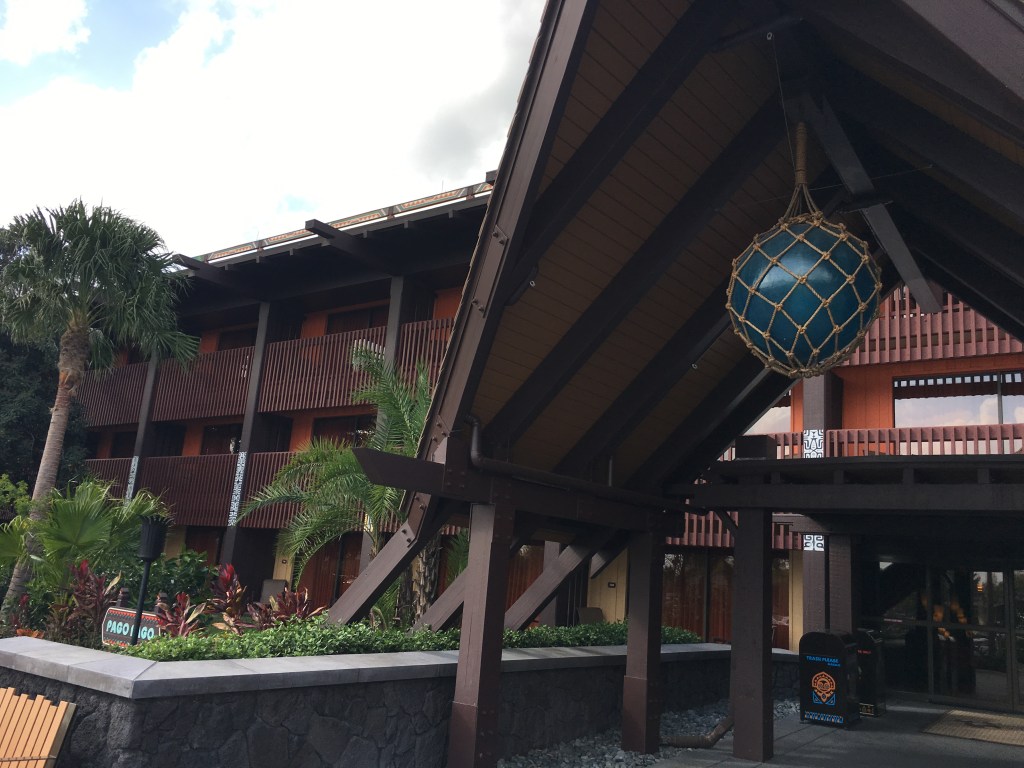
Once you approach the swaying palms and flaming bamboo torches, feel the mist from the waterfall gardens lining the entryway, and smell the fresh hibiscus-scented lobby, you’re going to want to stay a while, and one of the best ways to spend your time at the resort many of us Disney regulars consider the best on property is to eat a meal at one of the quality dining locations there.
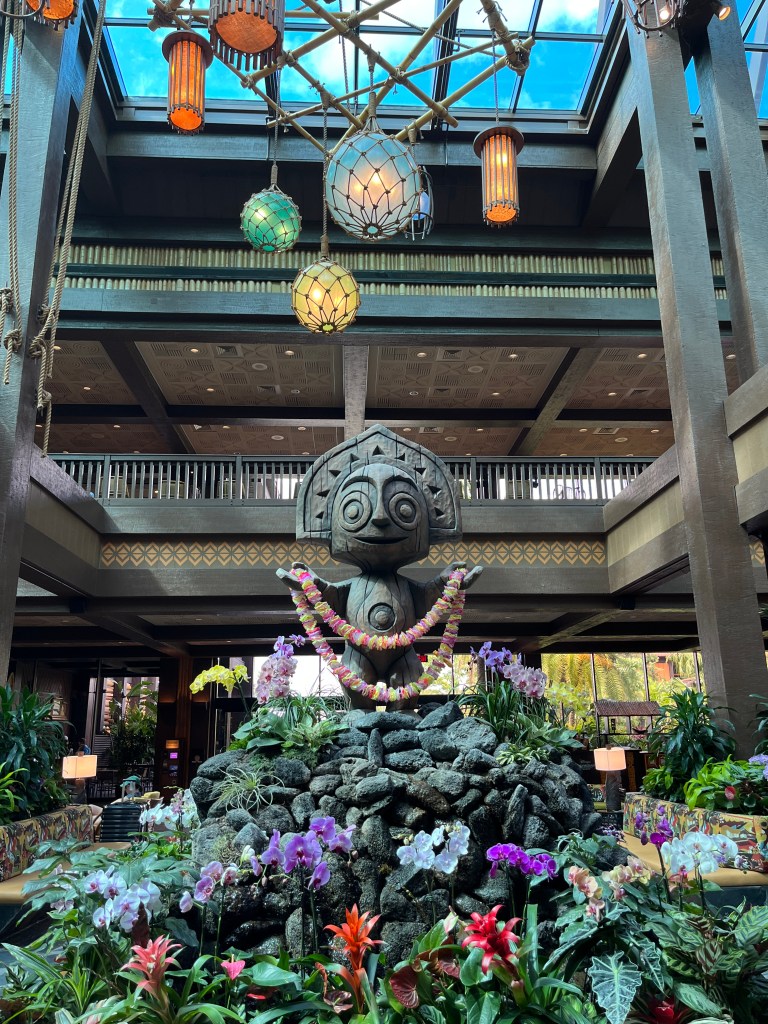
The lush tropical vegetation, gleaming slate floors, dark wooden beams, and geometric patterns in the lobby create such a welcoming retreat from the Disney World crowds.

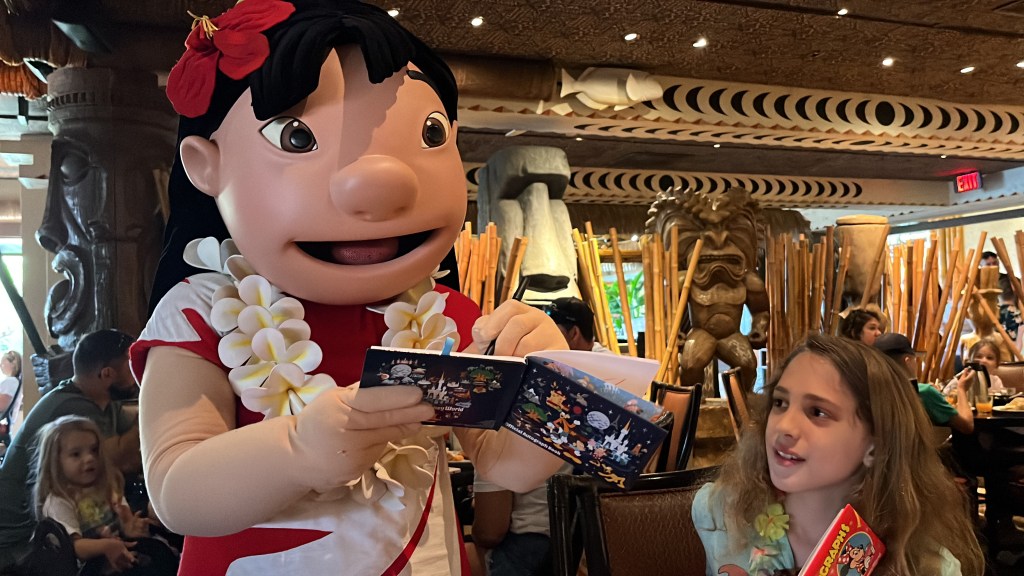
My kids are both big fans of Lilo and Stitch, and we have enjoyed the food at ‘Ohana for dinner in the past, so on our most recent trip, my family decided to try the Best Friends Breakfast there, featuring Lilo, Stitch, Mickey, and Pluto. We love character interactions and hate waiting in lines, so character dining is always a must for us at Disney World. Not only do they provide an opportunity to explore various dining locales and sample the cuisine, but character meals also guarantee individual attention from several popular characters at once.

We’re able to give hugs, ask questions, take photos, and request autographs all during a meal break, freeing up valuable time we would have otherwise had to spend seeking these characters out one by one at the parks. It’s an experience that seldom disappoints, but of course, we have our favorite restaurants that offer it, and we always enjoy trying new ones. For character dining at a resort, like the Best Friends Breakfast at ‘Ohana, we like to make reservations on a non-park day, so we can take our time and get our money’s worth without worrying about missing out on attractions.

Taking the monorail to the Polynesian from the Magic Kingdom, Epcot, or another monorail resort is only one of many modes of available transportation to ‘Ohana.

You can take Disney bus transportation from the parks or Disney Springs to any resort hotel, but there are several other options available for the Polynesian. It’s one of three resorts on the monorail route, which also makes stops at Magic Kingdom, The Contemporary, The Grand Floridian, and the Transportation and Ticket Center (which continues to Epcot). There are also water taxis and ferries that sail back and forth between the Polynesian and Magic Kingdom. Keep in mind that with a dining reservation at ‘Ohana you can park your vehicle (or rental vehicle) in the Polynesian lot, if you prefer that to relying on Disney transportation. Walking to the Polynesian is another possibility, either from the Transportation and Ticket Center (TTC) or from the Magic Kingdom past The Grand Floridian, although the latter is about a 1-1.5 mile trek, so be prepared for that.

‘Ohana is located on the second floor of the Great Ceremonial House, and I recommend arriving early so you can spend a few minutes lounging in the sitting area outside the restaurant and soaking up the atmosphere, along with the fantastic view of the Lava Pool with Cinderella castle in the distance outside the floor-to-ceiling windows.

Pacific fishing floats were the design inspiration for these colorful hanging glass orbs, as seen from the second floor. They’re probably my favorite feature inside the Great Ceremonial House.
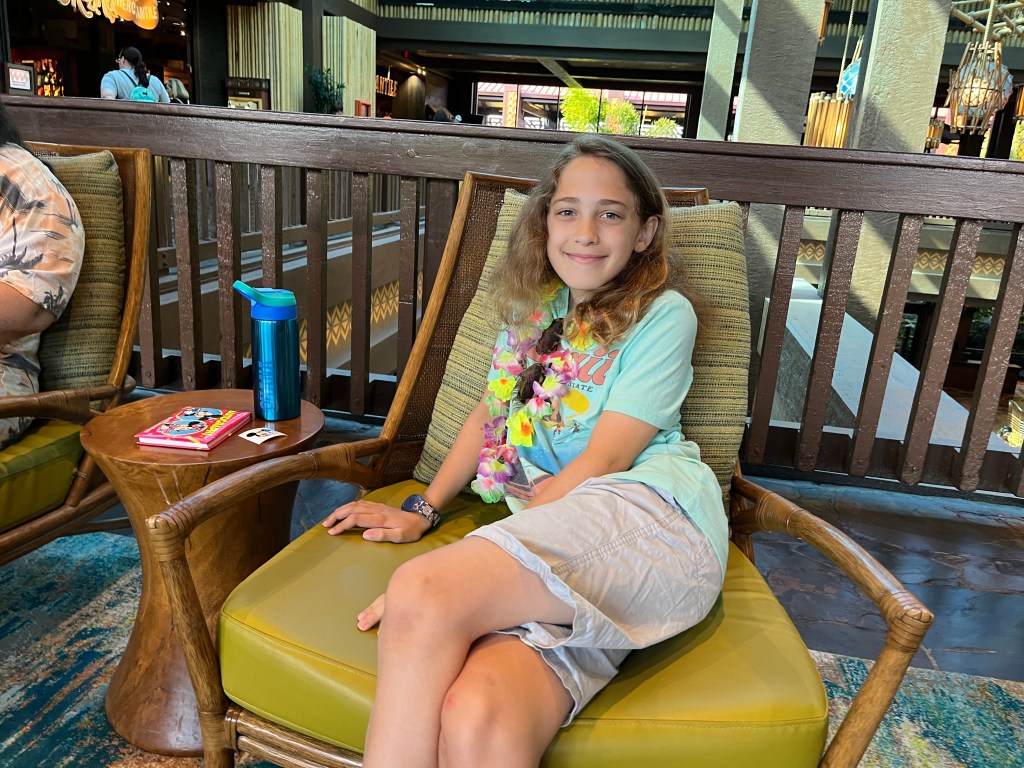
These rattan chairs are a comfortable place to wait for your reservation time at ‘Ohana while observing all of the Polynesian minutia.

‘Ohana Best Friends Breakfast Review – The Food

Many character meals at Disney World are buffets, and while I do appreciate a good buffet (some of the buffet locations are among my favorite character dining restaurants), I absolutely prefer the family-style service at ‘Ohana. The food comes directly to your table, so you don’t have to worry about missing the characters as they make their rounds while you’re away filling your plate at a serving station. Our server immediately started us off with a plate of deliciously soft and sweet pull-apart pineapple coconut bread, coffee, and a fan favorite – POG (passionfruit, orange, and guauva) juice. We had to ration ourselves on the fresh dessert bread to save room for the bounty to come, but it wasn’t easy, and my kids drank their weight in POG juice.
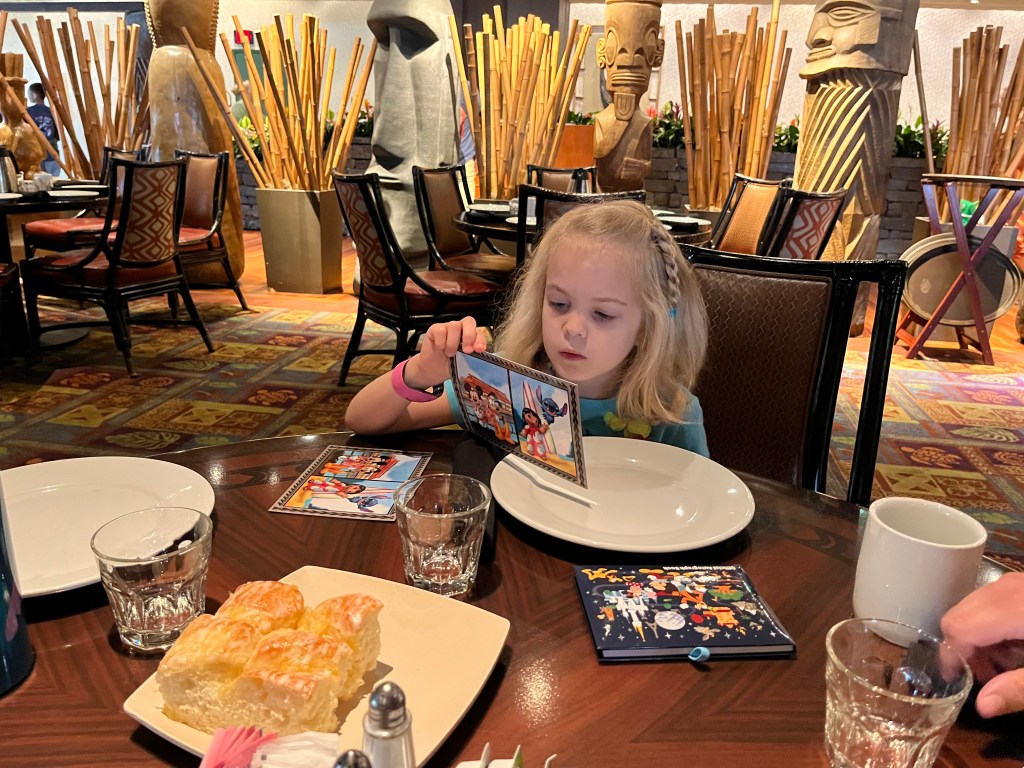
This plate of glaze-drizzled manna greeted us as we took our seats, along with a complimentary autographed photo of Lilo, Stitch, Mickey, and Pluto.

Next, we shared a bowl of seasonal fruit, which consisted of a few strawberries, a bunch of grapes, some pineapple, and an abundance of melon. The watermelon was a nice addition, but we could have done without the mound of cantaloupe, otherwise known as the “garbage fruit” in our family. Before we had finished our fill of the fruit, the Breakfast Skillet arrived, laden with scrambled eggs, pork sausage links, Hawaiian-style ham topped with pineapple compote, fried island-style potatoes, biscuits, and waffles – some of which were shaped like Mickey, while others, to our pleasant surprise, featured Stitch. We’re a breakfast family, and all of the typical American breakfast items were satisfying, but the sweet and savory island-influenced flavors of the crispy fried potatoes and Hawaiian ham were particularly enjoyable.

‘Ohana Best Friends Breakfast Review Prices

‘Ohana breakfast pricing is $45 for adults and $29 for kids ages 3-9, plus tax and gratuity for “all-you-care-to-enjoy,” although our family of four was not able to finish one full breakfast skillet, so we did not need to request any more than the server originally brought out.

‘Ohana Best Friends Breakfast Review – Character Interactions

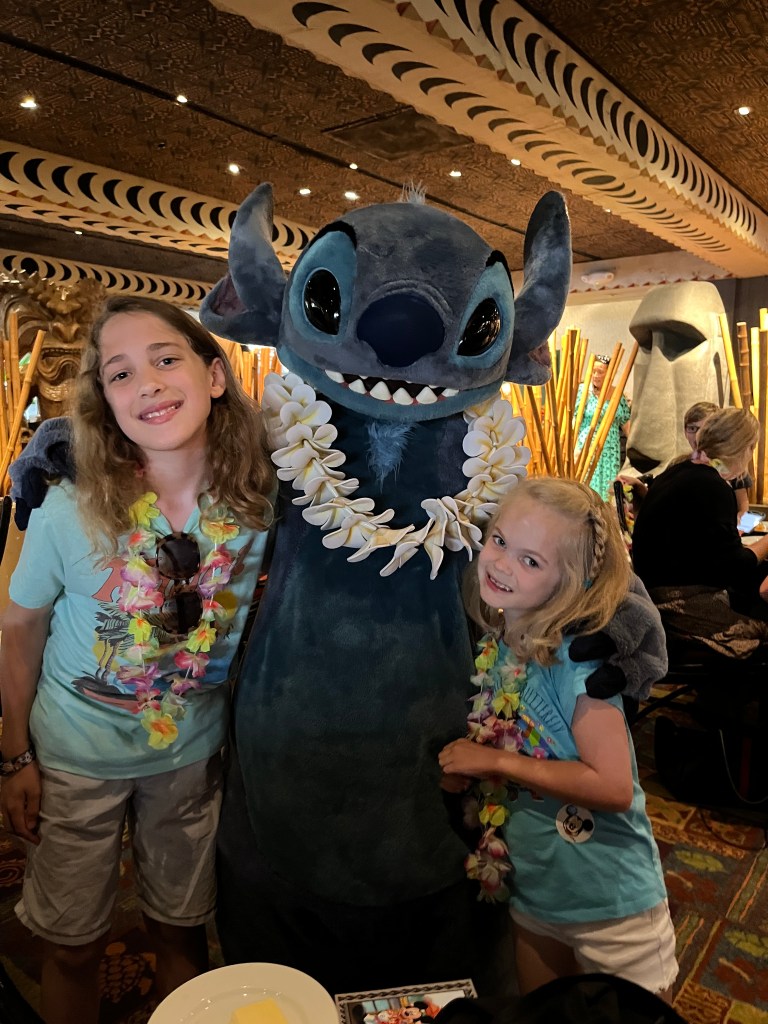
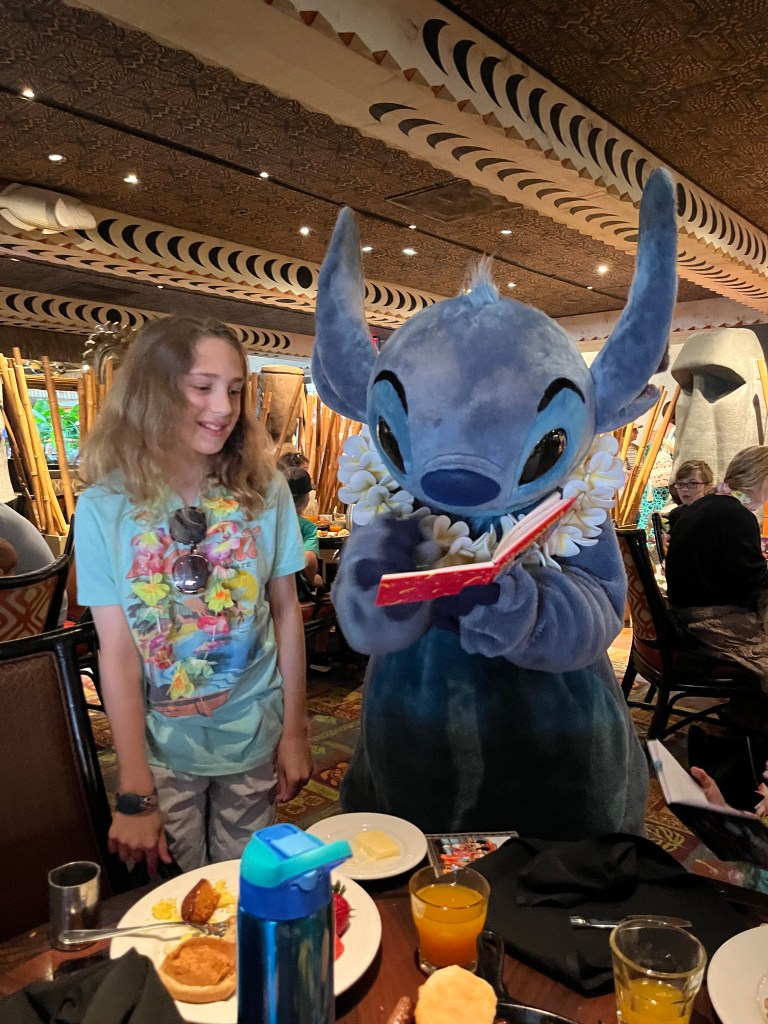
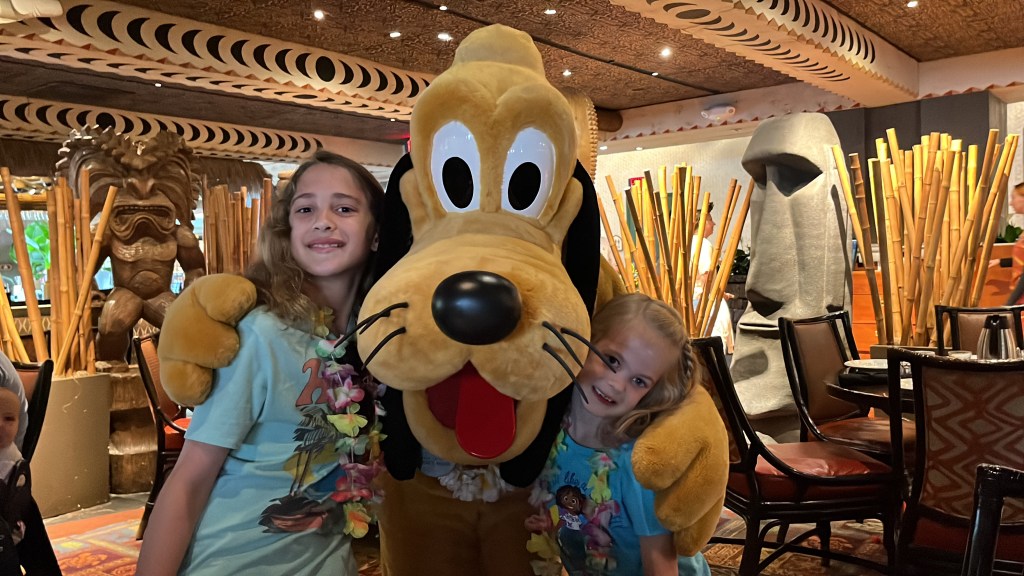
While you enjoy the variety of breakfast meats, produce, baked goods, and beverages at your table, the featured characters will visit with your group in turn as they proceed around the restaurant. This was our first trip to Disney World since the post-pandemic return of character meet-and-greets, and we were thrilled to be able to hug and high-five characters for the first time in years! Mickey was the first to visit us, wearing his Hawaiian shirt and flower lei, and even though there were already autographed photos at the table, he seemed happy to record his name in our kids’ autograph books upon request, for posterity. Pluto playfully hurried over to greet us soon after Mickey’s visit, followed by Lilo and then Stitch (who was very animated and provided our favorite character interaction of the day).

We did not have to wait long after sitting down to eat before the characters began arriving, and each character gave us plenty of time and attention before moving on to the next table.  There are no PhotoPass photographers at this location, but the characters are happy to pose for a picture while their cast member friends take one with your camera.
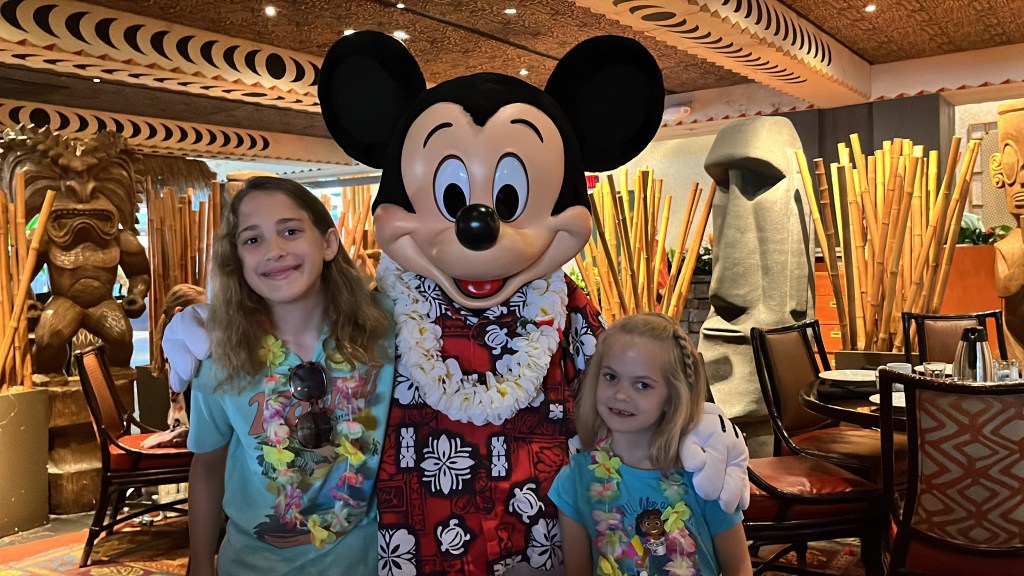
Mickey is always a must-see character on every trip, no matter how old our kids get! 
Pluto always makes us smile.
We always think it’s a bit strange when human characters are not face characters, but we understand the difficulty involved in portraying a character who is a child, and Lilo was still fun to meet.
Stitch was the main event at ‘Ohana for our kids.
We must collect every autograph!

Our breakfast culminated appropriately in a parade of all of the characters dancing around the dining room and playing hand-held instruments to “Hawaiian Rollercoaster Ride” from Lilo and Stitch. Before Covid, guests (kids, primarily) participated in this part of the dining experience, but now it’s strictly a spectator event.

‘Ohana Breakfast Review – Final Thoughts

The Best Friends Breakfast at ‘Ohana offers the opportunity to meet rare and classic characters at our favorite Walt Disney World resort while enjoying an excellent breakfast with several unique culinary highlights. We will definitely take advantage of this character dining experience again in the future and recommend it to anyone interested in visiting the Polynesian Village Resort and meeting Lilo and Stitch. It’s a popular spot, so advanced dining reservations are a necessity.
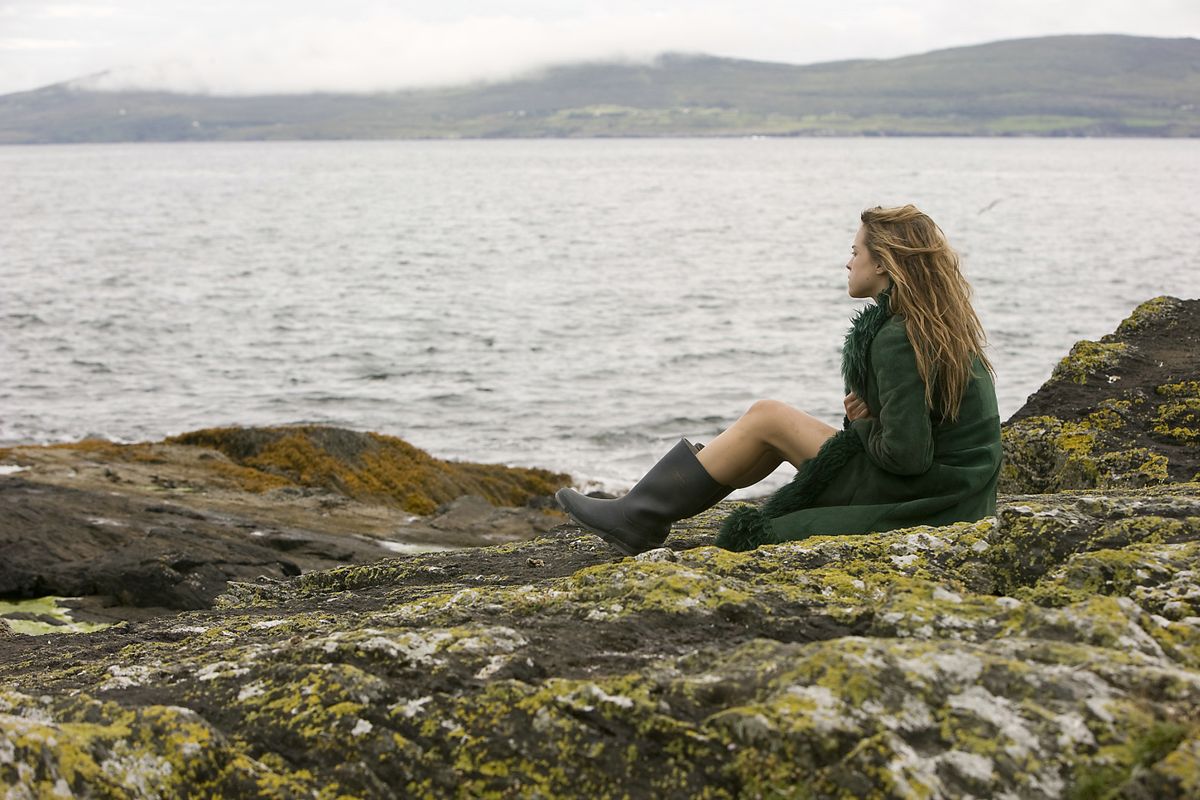
The Banshees Of Inisherin And 3 More Films That Blur The Lines Between Irish Folklore And Reality

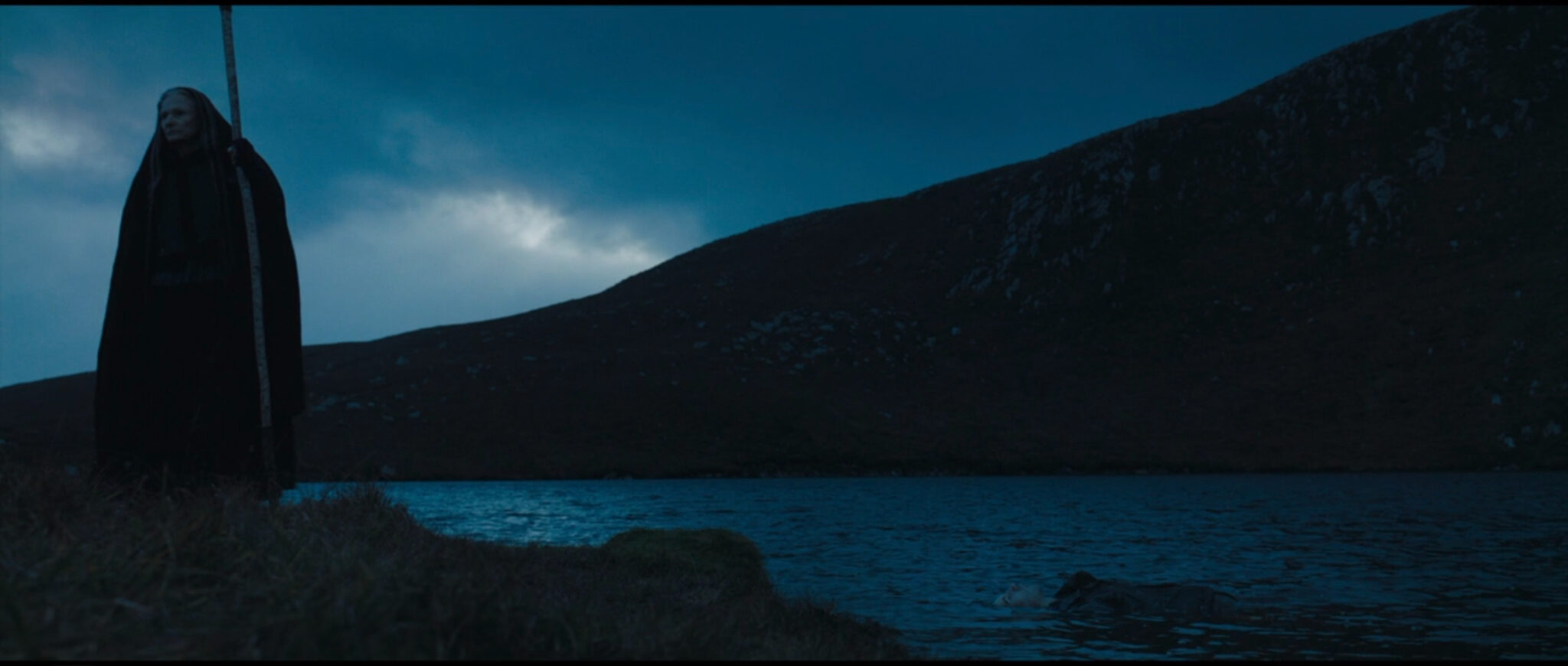
The title of Martin McDonagh’s dry and mildly horrific tale of tragic friendship may only be the name Brendan Gleeson’s Colm Doherty chooses for his musical magnum opus (based purely on its repeating “sh” sounds), but its allusion to the keening fairy woman of Irish legend conjures the mental image of that supernatural being for the viewer from the start of the film. Goading old Mrs. McCormick (Sheila Flitton) gradually seems to personify the shrieking herald of death, and as the story develops, even her ghoulish appearance evokes the folkloric form of the cloaked wretched crone – one of the three human shapes the “Bean Sídhe” typically takes (Britannica, The Irish Post). Mrs. McCormick conveys an increasing banshee-like sense of foreboding throughout the film, and imagining her as an otherworldly presence is not a stretch, particularly when she explicitly warns Pádriac (Colin Farrell) that there will be two deaths on the island before the month is out. She also seems to summon troubled young Dominic (Barry Keoghan) over Siobhán’s shoulder from across the water, prior to his unexplained death, although Siobhán (Kerry Condon) thinks the old woman is motioning toward her.

Mrs. McCormick’s most disquieting moment comes in the end, however, when she sits in the background watching Colm and Pádriac on the beach, after Pádriac sets Colm’s house on fire, with the intent to kill Colm inside. Earlier in the film, during Pádriac’s last attempt at reconciliation with his former friend, Colm ruminates on the possible existence of banshees and wonders aloud if perhaps rather than howling, they stand idly by and watch death come to pass, leaving the viewer feeling as if this is exactly what Mrs. McCormick is doing as she perches among the charred remains of Colm’s house. Fans of Banshees who enjoy McDonagh’s ambiguous use of Irish folklore in the film may be interested to explore other films in which the separation between reality and the supernatural becomes clouded.

Ondine (2009)

Another Irish fairy tale – albeit a decidedly more romantic one, Ondine again stars Colin Farrell as Syracuse, a divorced recovering alcoholic on the coast of Cork who pulls a drowning woman from the sea in his fishing nets and gives her asylum from the outside world at his late mother’s cottage by the water. His precocious young daughter is suffering from kidney failure and – needing something magical to find hope in – believes the woman is a selkie, a mythological being with origins in Irish and Scottish folklore. Selkies, or Seal-folk, are shapeshifters capable of transforming into humans by shedding their sealskins before coming ashore. If an ordinary human finds and hides the sealskin, the selkie must remain on land. In Irish folktales, many a marriage between man and selkie is formed this way (Wilderness Ireland). As Syracuse grows more and more attached to the mysterious woman (Alicja Bachleda), and the fear of losing her takes hold in his mind, he begins to confuse the boundaries between his daughter’s stories and the flesh-and-blood woman he loves.

“The Legend of Sleepy Hollow” from The Adventures of Ichabod and Mr. Toad (1949)

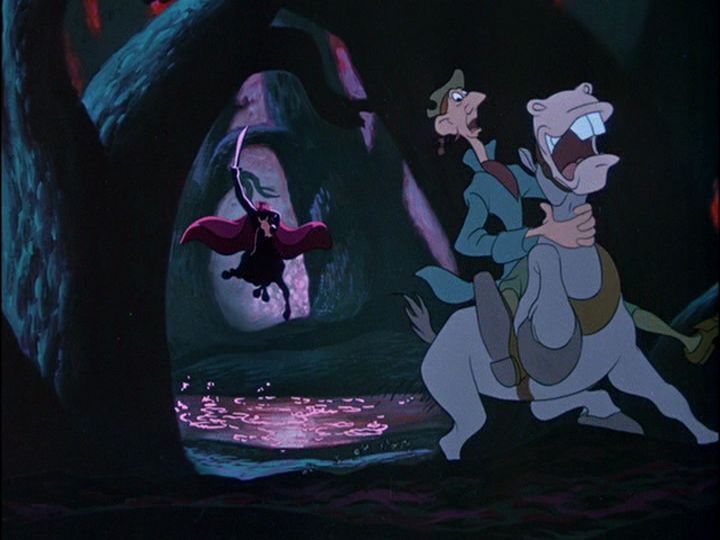
Disney’s The Adventures of Ichabod and Mr. Toad is an animated anthology film based on two famous works of literature – The Wind in the Willows and The Legend of Sleepy Hollow. Fans of Irish folklore may want to skip the former segment in favor of the latter. Bing Crosby narrates Washington Irving’s familiar American Gothic short story, and like the source material, the on-screen adaptation’s ending leaves viewers wondering which version of events is true. The lanky, opportunistic schoolmaster Ichabod Crane charms the residents of Sleepy Hollow, and vies with local boy, Brom Bones, for the affections of beautiful Katrina Van Tassel, the daughter of wealthy landowner Baltus Van Tassel. At the Van Tassel Halloween party, jealousy prompts Brom to taunt superstitious Ichabod with the tale of the legendary Headless Horseman (in song, of course, because it’s Disney). After the party, an apparently headless horseman chases Ichabod, slashing at him with his sword, until Ichabod crosses the fabled covered bridge from Brom’s song, at which point the horseman throws his flaming head at Ichabod. The next morning, villagers find Ichabod’s hat lying next to a shattered jack-o-lantern, casting doubt upon the identity of the horseman from the previous night. Rumors spread that Ichabod is alive and married to a wealthy widow in a distant county, but many in Sleepy Hollow believe he was spirited away by the Headless Horseman. The Headless Horseman is a staple in several European storytelling traditions, but the Irish Dullahan (dark man), thought to be an incarnation of the fertility god, Crom Dubh, wears flowing black robes and rides a black stallion across the countryside, carrying his decapitated head under his arm and calling the names of souls doomed to death (Irish Culture and Customs).

Pan’s Labyrinth (2006)

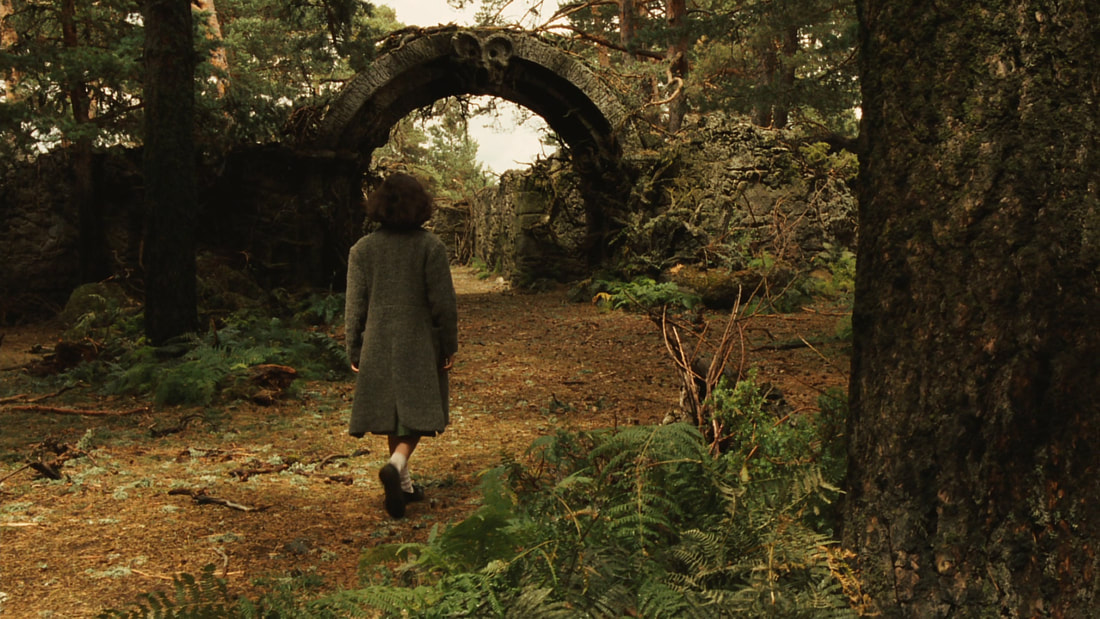
Granted, Guillermo del Toro’s fantastical dark fable shares more common ground with Greek and Roman mythology than Irish folklore. There are, however, some undeniable connections between the Underworld portrayed in the film and the Irish Otherworld (An Saol Eile). Aside from their small stature (like Irish Leprechauns/Clurichauns) and humanoid bodies (Fairies in Irish folklore can often appear in human form), the shapeshifting stick insect fairies who assist the young, imaginative protagonist, Ofelia, do not resemble any of the Irish Fairy Folk (Sidhe) aesthetically. Like the Sidhe, the fairies in Labyrinth do seem to be invisible to most people – Ofelia is the only human who can see them. She first encounters one crawling from the mouth of a statue when she ascends a raised bank on the side of the road, looking for the origin of a fragment she found, depicting a carved eye. Beyond this hill lies the ancient stone and earthen labyrinth where Ofelia meets the enigmatic Faun and where the king of the Underworld (Ofelia’s erstwhile father) has hidden one of many gateways to his realm. This portal is not unlike “the old forts and mounds, the ancient monuments built by our ancestors, which contain entrances to where the Sidhe really live – the land of Fairy, or the Fairy realm” (The Irish Pagan School).

Pan’s Labyrinth portrays parallel plotlines, between which Ofelia moves seamlessly, both as the stepdaughter of a Fascist Captain who has been assigned to hunt down republican rebels and as Princess Moanna of the Underworld, reincarnated, who must complete three tasks to prove her identity and rejoin her royal family in their realm. The viewer must contemplate whether or not the supernatural aspects of the film are actually happening, or if they are only coping mechanisms born of the young heroine’s imagination.

Walt Disney World Resort Room Refurbs – Positive Change Despite Some Misses

One of the most appealing aspects of staying on property at Walt Disney World is the variety of elaborately themed resorts available to choose from. Recently released photos of the refurbishment underway at Disney’s BoardWalk Inn (one of my top three resorts at WDW) reveal a glance at a design trend that has been sweeping deluxe, moderate, and value resorts alike. Disney is systematically refurbishing guest rooms with a generic slate of laminate flooring, variations on the same platform bed, and stark white linens. Individual resort theming is limited to accents on furniture, wall art, and textiles like pillows and curtains. It’s all very clean and minimalist, and some guests are wondering if this is an effort by Disney to cut refurbishment costs at the expense of the immersive theming we’ve become accustomed to seeing in resort rooms.

A Minimalist Upgrade?

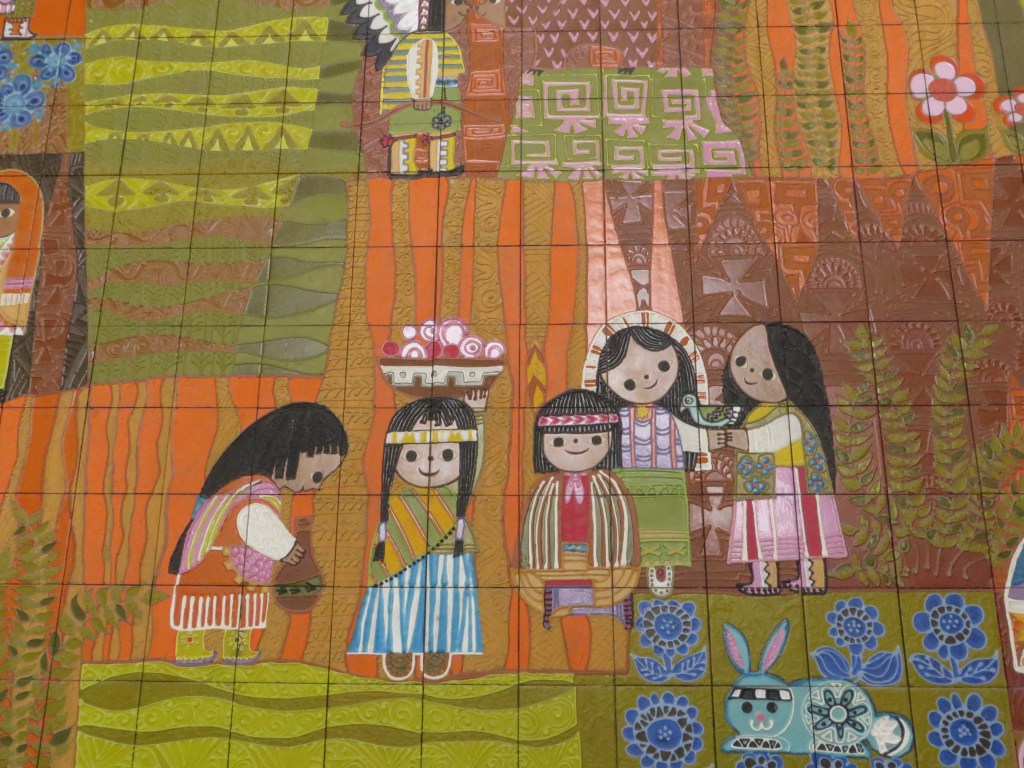
A portion of artist Mary Blair’s mural in the Contemporary Resort.

Disney already has a resort dedicated to midcentury modern, minimalist design. Unfortunately, the A-framed Contemporary is currently experiencing a bit of an identity crisis after debuting new room designs featuring The Incredibles in 2021. The midcentury connection between the resort and this particular movie franchise would make aesthetic sense if it weren’t for the enormous Mary Blair mural in the Grand Canyon Concourse area, featuring the natural wonder, its inhabitants, and the history and culture of the region’s population. Obviously, the mosaic is a valuable resort icon, and rooms incorporating design elements inspired by Blair’s use of color and signature modernist expressive style would make for a more cohesive Contemporary theme. The opportunity to include subtle Disney character touches (that don’t make guests feel as if they stumbled off the monorail into the All-Star Movies resort) using Mary Blair concept art is another benefit of moving Contemporary room design in this direction. Although the Incredibles rooms are well-executed and consistent with the style of the resort, the red, black, yellow, and gray don’t seem to work well with the rainbow color palate we see in the resort’s main areas.

IP in Resort Room Design

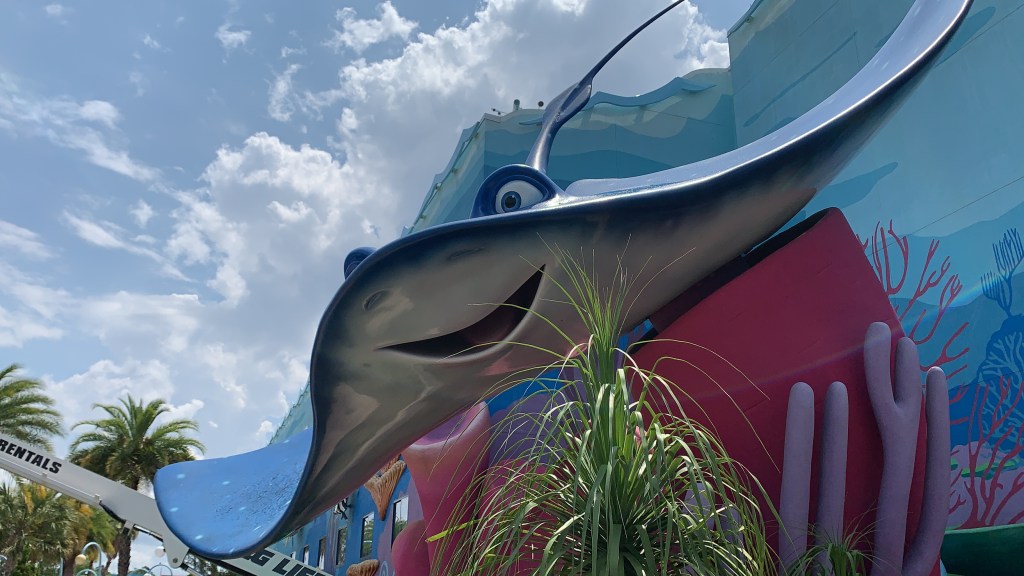
Disney’s Art of Animation Resort – Mr. Ray

The Incredibles rooms reflect a growing effort to include more Disney characters and intellectual property in deluxe resort design, like the understated Mary Poppins theme in The Grand Floridian’s new DVC rooms and the overt display of Moana characters and symbols at my beloved Polynesian Village Resort. The afore-mentioned BoardWalk Inn rooms feature artwork depicting Mickey, Minnie, and other Disney friends, perhaps to match the recently added façade at the Carnival Pool, but it’s all charmingly on theme, and because of the throw-back look of the animation, it still matches the early 20th century vibe guests expect from this resort. Veteran moderate and deluxe resort guests, including yours truly, may instinctively balk at the idea of some of these additions, because if we wanted to stay at Art of Animation, we would stay there. However, when I think back to my first on-property stay at Port Orleans Riverside, I remember the simple thrill of finding hidden Mickeys on the rug or subtle Disney character tie-ins to the theme. That’s what makes it Disney and not the Hilton.

How Do Deluxe Room Refurbs Compare?

The new Moana themed rooms feel at home here at Disney’s Polynesian Village Resort.

I still don’t know if I approve of giving The Incredibles or Moana such an obvious presence in a deluxe resort room, but I must admit those room designs and color palates are on a completely different level of imagination and innovation than the recent refurbishments in lower-priced resorts. The rooms at All-Star Movies and Music, for example, have been given a similar clean-and-bright makeover, albeit one that is reminiscent of a Holiday Inn Express. Disney has decided not to customize the wall art or textiles in these rooms, and has instead reduced all theming at both resorts to a low-budget print featuring Mickey, Minnie, and Donald over the beds, a catch-all piece of artwork depicting Huey, Duey, and Louie dreaming of sports, movies, and music hidden behind a fold-down table bed, and two chairs decorated in a generic fabric covered with record, sports ball, and movie reel icons. The Poly’s bold turquoise textiles, accented with warm pinks, purples, and the orange of Maui’s tattoo-inspired accent wall, along with its heavy, custom furniture (adorned with South Pacific imagery) may feel superior to the new Contemporary rooms, but at least those do still have some custom touches, like the large, rounded picture windows with inset mid-century style curtains.

Change Is Hard, But Necessary

These kinds of changes always require an adjustment period for WDW regulars, especially those of us who think of the place as a home away from home, as the DVC tagline suggests. While my first reaction is to object, for instance, to the uniform liquid white canvas Disney designers are painting on, looking at the new rooms from a more objective design perspective, and especially in direct comparison to the previous room design, it’s impossible not to recognize the improvements. The sunny yellow walls, sage accents, and sharp gray herringbone patterned floors at the Boardwalk Inn, for instance, are a much-needed upgrade from the mauve couches and 90s hunter green carpet that decorated these rooms before. Sticking to the locale or historical period of a resort theme is important, but as Walt always said, why not try to “plus it”?    

In Defense of Winter

In East Tennessee, summer is LONG. Every year, I see the same meme circulating my newsfeeds, outlining Tennessee’s 12 seasons, and nearly half of the tongue-in-cheek descriptions of each phase in the cycle are dedicated to the six months of heat we experience here. There’s “summer,” “still summer,” “hell’s front porch,” “false fall,” and “second summer” or “summer, the sequel.” Yet every year, the same people who share, affirm, or laugh at this meme in August proclaim their undying love for the summer sun at the end of May. “Summer is FINALLY here!!!” they exclaim, forgetting that time a few short months ago, when we were all sweating bullets in our cardigans at Thanksgiving dinner or picking pumpkins on a 90 degree October day at the corn maze while peeling the photo-ready flannels off of our perspiration-drenched children. By the time school starts, even the champions of summer are dreaming about cool air and pumpkin spice, but at that point we still have another two months of summer weather to look forward to.

If it’s not already apparent to y’all, summer is not my jam. I hate the heat. I hate the steam blanket that covers the south from Knoxville down to the Florida pan handle for half the calendar year. I hate the disease-ridden swamp vampires that breed in my yard, infest my beloved Smoky Mountains, ruin evenings with their incessant buzzing, and defile my kids’ arms and legs with their tongue poison. I hate the vile, three-leafed itch-vines that creep into every garden, backyard, hiking trail, and campsite. Who can enjoy the outdoors in these conditions without a cool body of water involved?

People really love their summers, though, and in my experience, they do tend to go on about it quite a bit. Now I think it’s bad form to yuck someone else’s yum, and I consider myself a child of nature, so I like to welcome every season. I try to suffer the things that get me down about summer in silence and make the most of it. At least I don’t have to worry about school, and I do love to swim. Lightening bugs are pretty cool. People stay out later at night, so places don’t close as early. I recognize that there are aspects of summer worth celebrating, even if it’s my least favorite.

Being a lover of winter is lonely here. The general population seems to be very vocal about their hatred of this magical time of year, and frankly, it really bums me out. I mean, for one thing, we live in Knoxville. It’s not as if we are enduring life on the frozen tundra. Yesterday it was 70 degrees out in the middle of January, people. If you’re cold, light a fire – who doesn’t love sitting by the fire? Cuddle up under a cozy blanket and enjoy a warm beverage. If you don’t enjoy being outside in the cold, drive up to the Smokies, and drink in the snowy peaks from the comfort of your heated car. If the limited daylight is getting to you, light some candles, hang some twinkle lights in your yard, or go see the winter light displays in Pigeon Forge and Gatlinburg. Let me keep the cold, dark quiet; the frost, snow, and ice; and walks through the bare trees in the stark, mosquito-free air. I daresay we’ll still get some warm, spring-like days in February, and after all, winter is a brief and rare time in Tennessee.

5 Ways to Honor the Winter Solstice with Inspiration from Nature and Tradition

The winter solstice is an astronomical event that connects us across cultural divides, and both ancient and modern celebrations honoring its arrival are prevalent around the world. It not only marks the beginning of the winter season, but the longest night of the year and the slow lengthening of sunlight in the days to come. The return of the sun is a focal point for most midwinter festivities. It is a time for leaving darkness behind and welcoming the light, both literally and metaphorically. Many people use the occasion as an opportunity to release their negative thoughts and feelings and set positive intentions for a new season. It is a largely secular holiday that is accessible to everyone and a chance to embrace our profound connection to nature and its cycles. Here are five ways to celebrate the winter solstice by observing the natural wonders of the season and by participating in rituals drawn from cultural traditions around the world.

1. Enjoy Seasonal Food and Drink

  • In Japan, many people eat kabocha squash for good luck as part of a traditional solstice practice called Toji.
  • Iranians celebrate Sheb-e Yalda by feasting on pomegranates, which are indigenous to Iran and believed to be a symbol of life and resilience, since they blossom in the harsh winter climate.
  • Dong Zhi is a Chinese winter celebration thought to mark the end of the harvest season that involves eating rice balls, known as tang yuan.
  • Ancient Roman Saturnalia and Germanic Yule both incorporated feasting into their festivities as well. The Romans ate foods that they had harvested during the autumn months, like honey and wheat, as well as dried fruits and nuts, and ancient pagans swore oaths upon the bristles of a wild boar before sacrificing and eating it.
  • The Incas made a sacred beer from fermented corn which they offered to the rising sun after three days of fasting.
  • Spiced cider, or “wassail” is a more prominently enjoyed beverage during this time of year with origins dating centuries back to pre-Christian Britain.

Prepare a winter solstice feast by borrowing from any of these rich traditions, or by simply indulging in the local fare of the season.

2. Observe a Light Ritual

  • Watch the sunrise. From Newgrange and Stonehenge in the UK to the late 18th and early 19th century Spanish mission churches in California and Latin America, to the Native American Woodhenge at the Cahokia Mounds of the Mississippi River area, people all over the globe gather to collectively revel in a rare sunrise, aligning with the features of these historical monuments for a spectacular few moments. Some, like those who celebrate Sheb-e Yalda or Soyal (the Hopi people of northern Arizona), even stay up all night awaiting the return of the sun. Whether or not the available viewing locations are designed to keep the solar calendar, watching a solstice sun rise is always a rewarding way to celebrate the event.
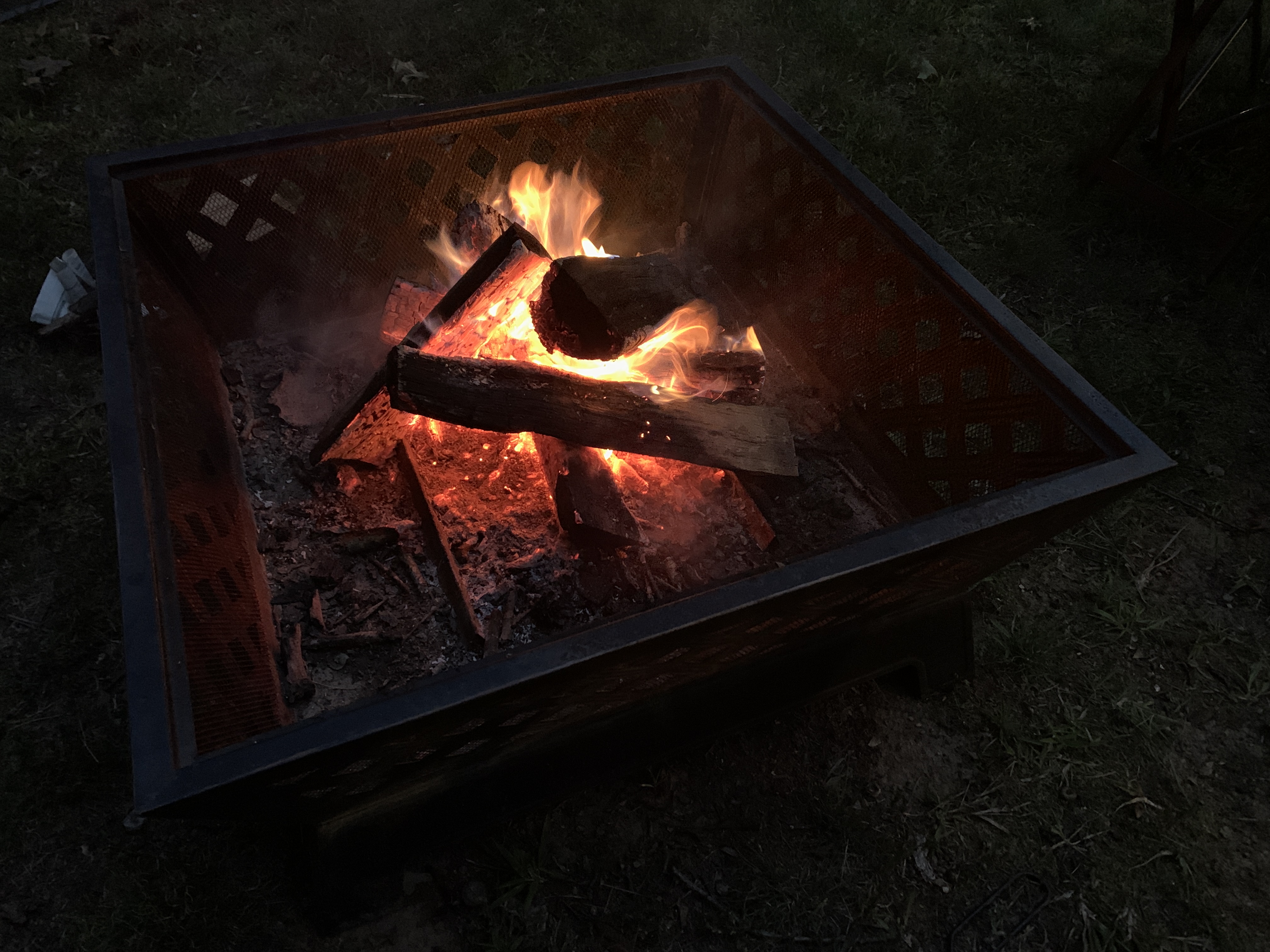
  • Choose a Yule log to burn in the backyard firepit or indoor fireplace or organize a bonfire. Out in the open or crackling from the hearth, fire can also bring light to any winter solstice ceremony. In Scandinavia, the St. Lucia’s Day festival honors one of the earliest Christian martyrs as a symbol of light. Lucia’s feast day blends naturally with earlier Norse solstice traditions involving the lighting of fires to ward spirits away and honor the god, Thor, who was thought to drive away frost and darkness. Girls in Scandinavia wear wreaths of candles on their heads, like the one St. Lucia wore to light her way as she delivered food to persecuted Christians hiding in Rome. Modern celebrations of Yule still often incorporate the ancient Germanic (or possibly even Celtic) practice of burning a yule log (or an entire Yule tree over the course of 12 days, as was once the custom). Traditionally, families placed a small piece of the burnt Yule log under the bed to bring good luck and protect their homes from the elements. They would then use this remaining piece to start the following year’s winter solstice fire.
  • Make lanterns or carry candles in safe holders for catching hot wax, and take a nighttime walk through the neighborhood or around the yard. Lantern walks are another form of light ritual associated with winter solstice celebrations. In Brighton, England, people march to the beach wearing costumes that represent clocks and the passage of time and carrying lanterns constructed of paper and wood for the modern-day Burning of Clocks festival. When they arrive, they burn the lanterns in a huge bonfire, where they will their wishes, hopes, and fears to pass into the flames.
  • Create a “Labyrinth of Light” with luminary bags. In Vancouver, Canada, the city’s Secret Lantern Society established a Solstice Lantern Festival, during which participants march throughout the city with lanterns they create in workshops beforehand. The festivities include fire performances and a maze of 600 candles known as the Labyrinth of Light, through which attendees can meander while contemplating thoughts and feelings they wish to leave behind and reflecting on new possibilities. 

Have fun planning meaningful ways to incorporate light into your own winter solstice traditions.

3. Use Evergreen to Build a Yule Altar or Wreath

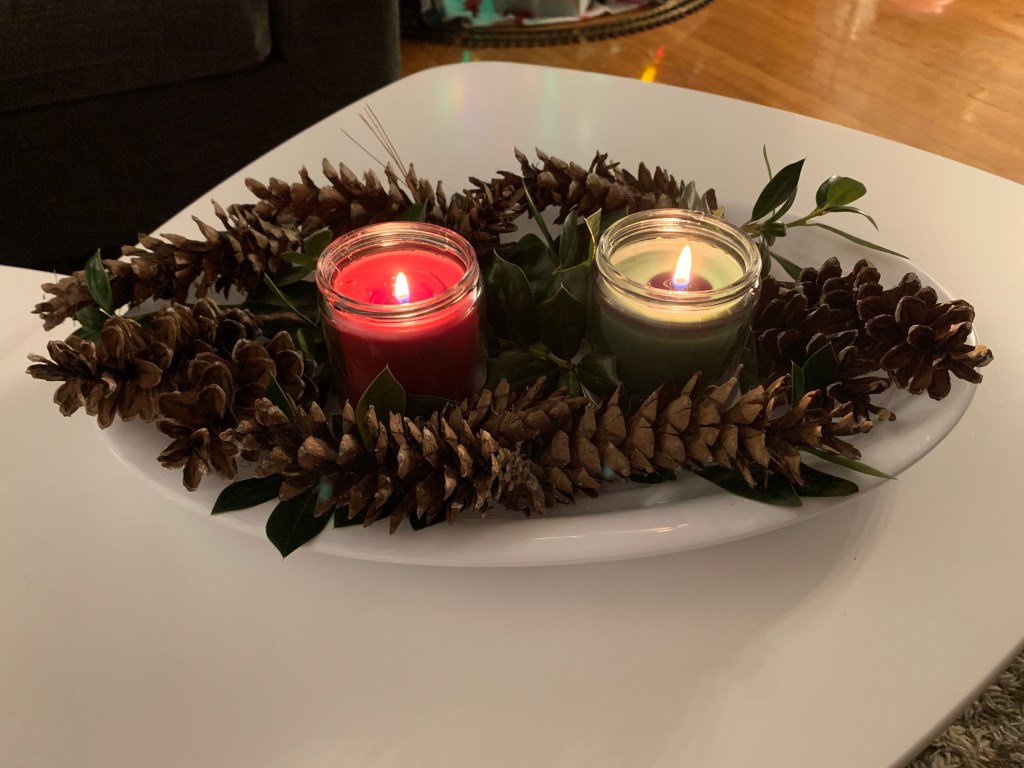
Besides being an obvious symbol of winter, the use of evergreen during winter holidays has ancient pagan roots and is associated with themes of continual life, prosperity, protection, and renewal. While hanging an evergreen wreath is a quintessential way to honor the season, try mixing it up by using the wreath as part of a yule altar. Place candles in the center of the wreath to represent the light of the sun, and add pinecones, sprigs of holly, or even mistletoe (a Celtic symbol of fertility and abundance). If wreath-making seems like a daunting task, simply arrange loose boughs of evergreen in an aesthetically pleasing way. The yule log could also serve as a base for an altar of evergreen.

4. Commune with Nature

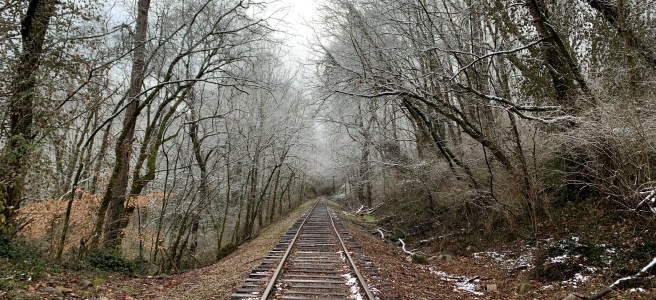
The hunter/gatherer societies that originated many of these traditions spent most of their time outdoors, relying heavily on the cycles of the sun. Use this time to get touch with your wild roots.

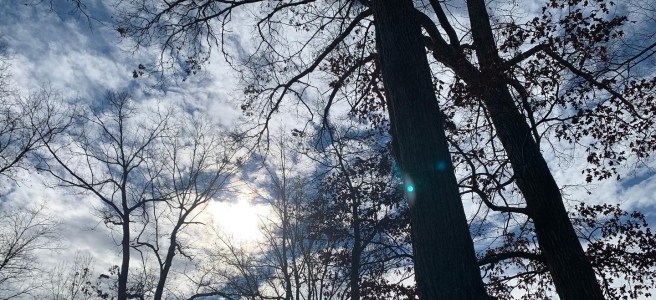
  • Spend time soaking up the peaceful quiet of the winter trees and skies.
  • Take a hike in search of the sun’s elusive rays.
  • Collect pinecones, berries, and greenery for the previously mentioned evergreen arrangements.
  • At noon, the sun is directly overhead at the Tropic of Capricorn, and shadows stretch longer than they do at any other time of year. Kids, especially, might enjoy seeing how long their shadows look in the solstice sunlight.
  • Find a place that feels sacred, and be present in it, using all your senses to explore it. Bring a journal, and write down your thoughts about the experience.

5. Celebrate with Music and Language

Songs and storytelling were a part of many winter solstice celebrations, including those of the ancient Celtic and Nordic peoples, and the Indigenous people of North America. For many Native American tribes, storytelling was reserved for the winter months, since they spent the other seasons hunting, gathering, or growing food. In the Middle East, Yalda Night celebrants read poetry (especially the work of the 14th century Persian poet Hafiz) as part of their festivities.

Get creative by writing your own poetry or songs and spend some time telling stories with friends and loved ones by the fire. If you are having trouble finding your muse, try reading aloud the winter-related written works of others, or tell stories from mythology and folklore, like those of:

  • Beiwe – the Scandinavian goddess of health and fertility
  • The Cailleach – a Celtic goddess who ruled over the winds of winter
  • Grandmother Spider – a wise grandmother figure who taught the Navajo how to survive the brutal cold, stole fire for the Choctaw, and brought the sun to the Cherokee

For music, Traditional English wassailing songs are a good place to begin, but there is a plethora of recently recorded solstice music available for your exploration on any streaming service.

Personalize Your Celebration

Let this be your guide to creating your own winter solstice traditions. Have fun exploring customs from a variety of different cultures, and adopt the ones that work for you and yours. Recognize our deep connection to the rhythms and cycles of nature, and let it bring peace and comfort to your holiday season.

WDW’s Tomorrowland Speedway Is Due For Refurbishment/Replacement

Photo by Tim Mossholder on Unsplash

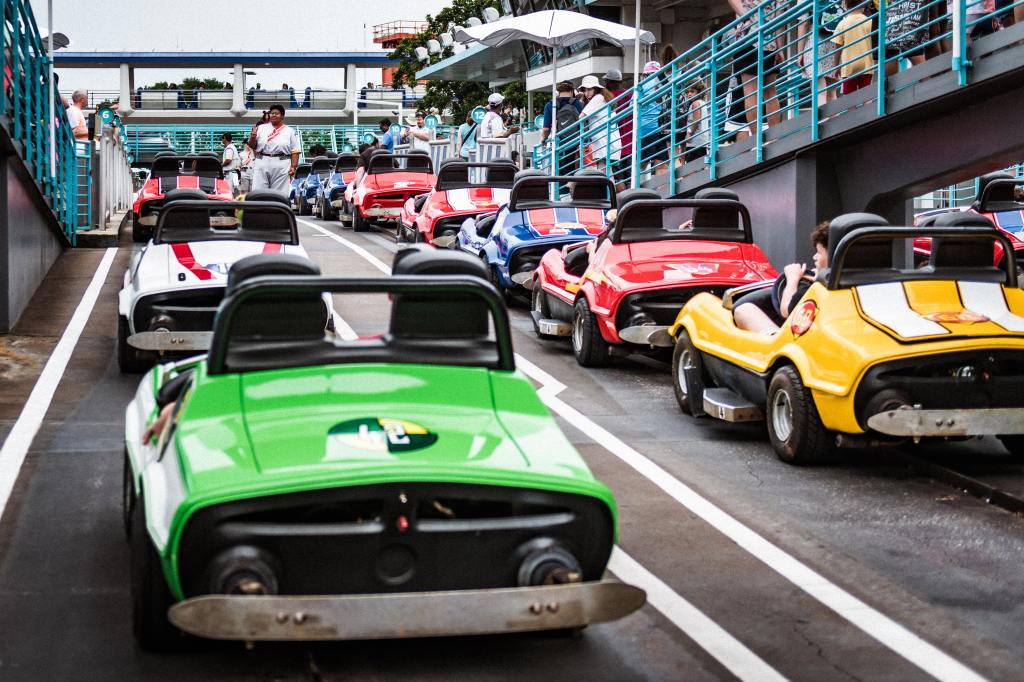
Amid all the changes constantly happening at Walt Disney World, one attraction seems to have managed to stay under the reconstruction radar. Despite being a sensory nightmare and a thematic outlier, not to mention its carbon footprint, Tomorrowland Speedway has thus far bafflingly escaped target for replacement or even refurbishment. The gas-powered engines on the vehicles for this attraction are so deafeningly loud, it’s impossible to hear instructions from cast members while loading, which causes confusion and delays and could even be potentially dangerous. The overwhelming stench of car exhaust assaults guests as they enter the land of tomorrow, a land dedicated to imagining a scientifically and technologically advanced future (or at least the 1980s version of it) in which we presumably have access to all manner of alternative fuel sources. At the very least, replacing the ride vehicles with electric cars would be a vast improvement upon this opening day attraction.

Reaching top speed at a whopping 7.5 miles an hour, these cars failed to impress me, even as a young kid who dreamed of nothing so often as being behind the wheel of an automobile. One might forgive the disappointment of coasting ever-so-slowly around a track if the track itself featured some kind of immersive scenery. Aside from glimpses of the other attractions surrounding it, the views from the driver’s seat of a Speedway car consist of guard rails, concrete, and WDW’s standard variety of common area vegetation. Some old-fashioned Imagineering focused on creating a futuristic cityscape would go a long way in making Tomorrowland Speedway a worthwhile experience. For those who want to keep it nostalgic, inspiration could come from Walt’s “Progress City,” for which a model can be seen from the Tomorrowland Transit Authority People Mover, or even from the short “Welcome to Your Future” vignettes shown aboard Spaceship Earth. Orb-like buildings, neon lights, atomic architecture, avant-garde road signs, and innovative natural elements could provide a more captivating atmosphere for the track to wind through.

Within the IP realm, which seems to be the route Disney is going with all its new attractions, a Wreck-It Ralph arcade re-theme of the speedway or replacement attraction could be a good fit for Tomorrowland and would complement the nearby TRON Lightcycle Run well. Ride vehicles (Sugar Rush cookie cars? Transparent glowing spheres?) could travel through console wiring into vintage-inspired and modern video games before reaching the internet (as portrayed in Ralph Breaks the Internet). A permanent character meet and greet location could even accompany the new attraction. The possibilities abound! Ultimately, it seems unlikely that Disney will refurb or replace Tomorrowland Speedway any time soon. With construction still going strong on TRON and Disney’s attention turned toward resort room remodels, the ever-evolving state of EPCOT, Tiana’s Bayou Adventure, and the ambiguous CoCo/Encanto/Villains area behind Big Thunder Mountain, among other changes, Tomorrowland Speedway will undoubtedly continue its status quo as an original (albeit underwhelming) Walt Disney World attraction that filters crowd levels with its draw for preschoolers and nostalgia-seeking adults who remember riding as children. Personally, I’ll be looking elsewhere for my Disney classic attraction feels.